
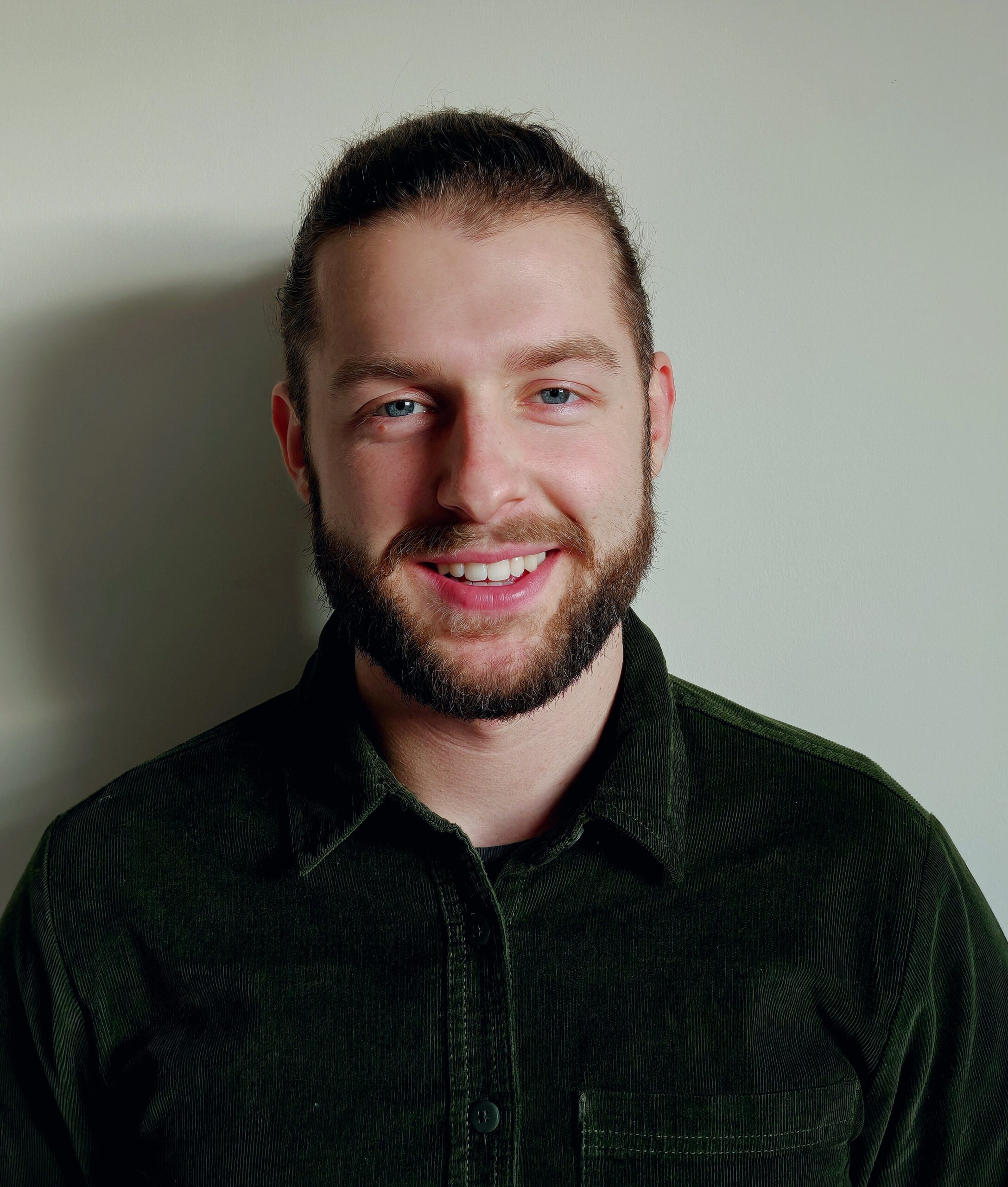
My name is Šimon Šoltés and I studied at GYMES from 2013 to 2018. At first our class teacher was Ľubica Mervová, and later she was replaced by Zuzka Lehotai. I had friends in every class at GYMES, but I have stayed in contact mainly with Lucka Hlaváčiková, Gabika Laurenčíková, Dávid Švec, Idka Baluchová, Janči Snopko, Luky Horizral, Števka Blanárová and Saška Lechmanová. After GYMES I was accepted to a university in Southampton in England, where I studied Sports and Exercise Therapy (BSc Hons). At present I am completing my postgraduate studies in Physiotherapy (PGDip Physiotherapy) in the picturesque Welsh town of Bangor at Bangor University.
Between my bachelor’s and postgraduate studies I worked for a year in Oxford, where I managed to find a position in a private hospital that specialised in knee and hip replacements, as well as in treating patients with infectious diseases and cancer. Alongside this job I also worked part-time for Oxford University Rugby Club as one of the physiotherapists and for the football club Oxford FC. At the beginning of this winter I also obtained a qualification as a Class C ski instructor, and I plan to upgrade it to Class B.
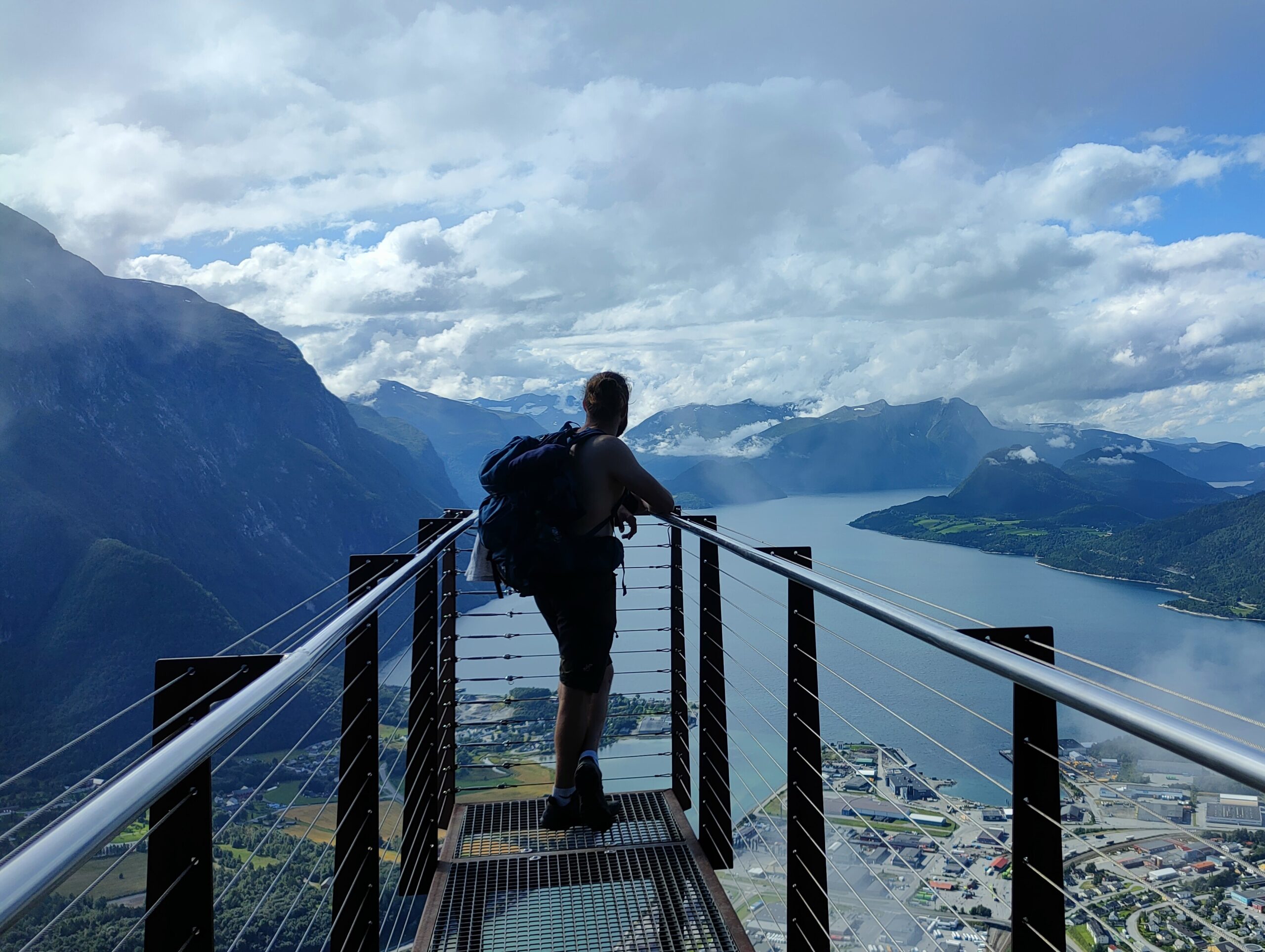
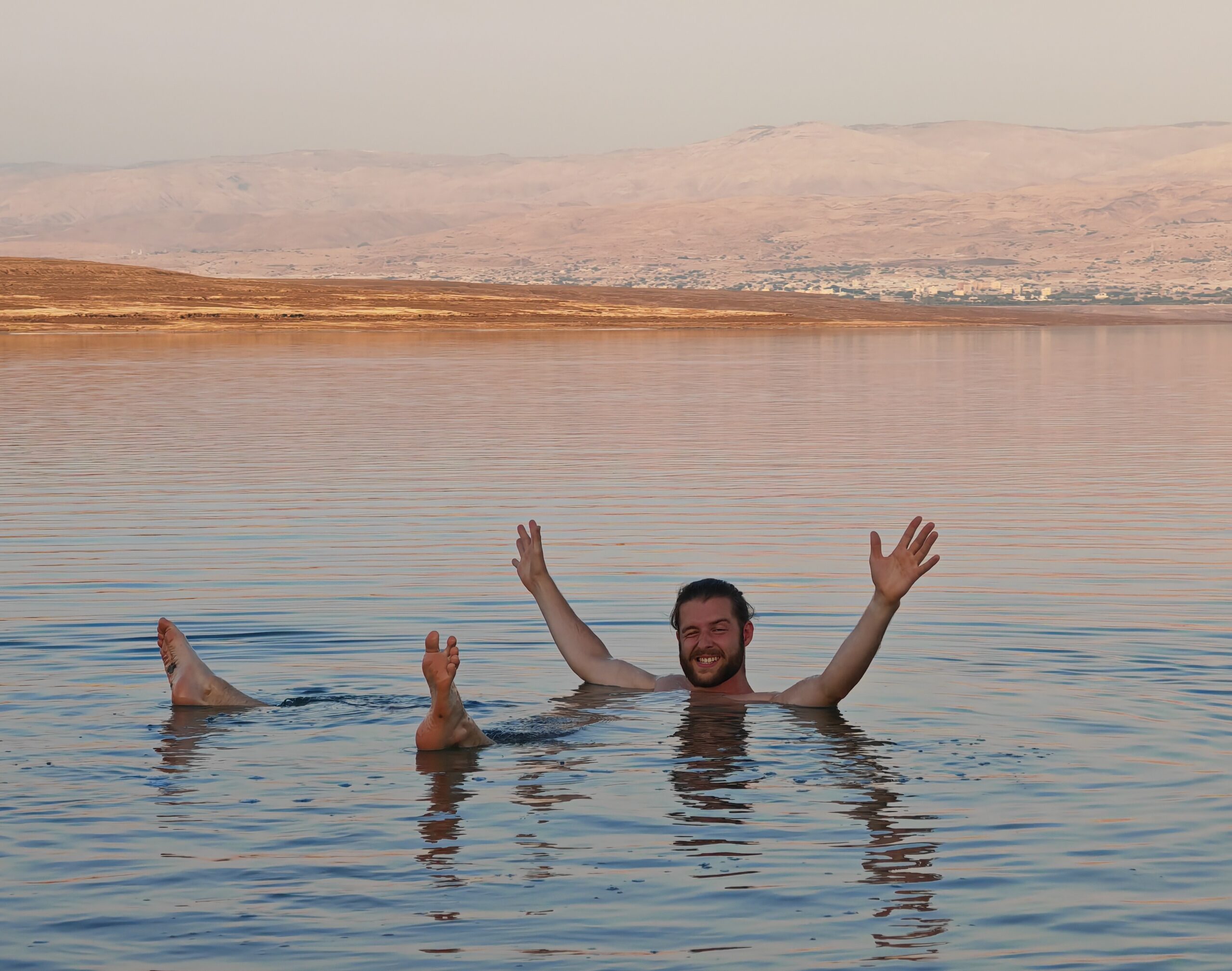
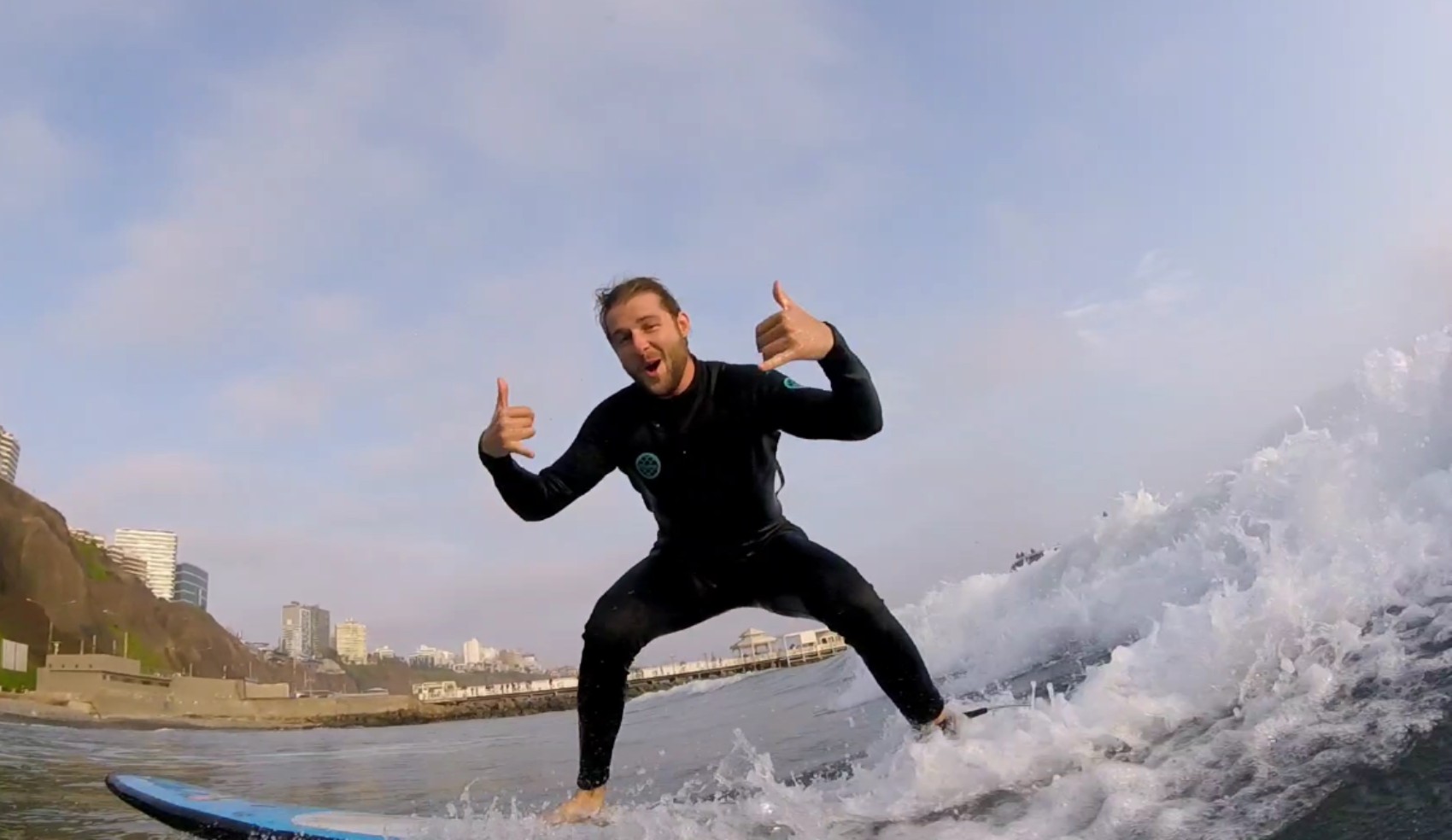
During my studies, and also in the periods between them, I managed to travel to many places around the world, including most of Europe, Scandinavia and Iceland, as well as Israel, Jordan, Egypt, Peru, Ecuador and a small part of Mexico. These travels gave me a great deal in life. Above all, they taught me to appreciate where we as Slovaks live and how safe our country actually is, something we often take for granted. Of course, we also have our own problems that sometimes seem endless. But whenever I saw how people live outside Europe, I was grateful that we are part of the European Union and that, in reality, we live quite well. My travels also taught me to respect other cultures, discover different customs and try to approach them with empathy. One very important value I gained from travelling, especially in South America, is a love for nature. I was fascinated by how local cultures with Inca ancestry respected nature and lived in harmony with it. Their culture was built around the main goddess Pachamama, Mother Earth, who cared for the people and whom they in turn cared for. They understood how the earth worked and cooperated with it instead of fighting against it. This view of the world deeply inspired me, and I therefore try to appreciate our planet and care for it as much as I can, because many of us do not even realise how important it is to remain connected with nature and not harm it.
If you had to decide again, would you choose GYMES once more?
Definitely. It was one of the best decisions I could have made. I was not particularly strong in languages and did not know what I wanted to do in life. An ordinary general grammar school would probably not have given me much, but GYMES gave me the language skills that opened the doors of the whole world.
What did you think was unnecessary at GYMES but later found useful in life?
Sentence structure, which Mrs Vaľková constantly repeated and which I never understood the point of. I thought that since I already spoke Slovak, why would I need it? Later I realised that learning other languages becomes much easier when you understand your own language and know how it works. Another example is English and American literature, and literature in general. Since I live in the United Kingdom, I am able to follow conversations about books and reading because British students studied the same works at school. And finally Spanish. I regret that I did not study it more seriously.
Was there any teacher at GYMES who inspired you or significantly influenced you?
Certainly my class teacher Zuzka Lehotai, especially because I was a rather “disobedient” student and often received remarks from teachers. When I had personal conversations with her, she knew how to speak to me with a human and understanding approach. She was able to understand that I was simply going through a turbulent period of adolescence and encouraged me to work on myself.
Another was Mr Tomáš Filip, with his effort to teach history through a critical perspective and to encourage us to imagine how people might have lived in that time if we had faced the same problems. He also organised discussions with guests to give us something more. I remember one lesson with a journalist during which we discussed how important it is to read between the lines and remain healthily critical of any information. I believe that this is extremely important today.
What values or principles from school do you carry with you into adulthood and professional life?
The ability, or at least the effort, to read critically. This helped me greatly in various examinations, especially when we had to write essays with critical analysis. The demanding study routine at GYMES also meant that I could complete my bachelor’s degree relatively easily and achieve excellent results.
What advice would you give to current GYMES students?
Study in order to understand things, to remember them and to know the importance of facts, not simply to obtain good grades. No one will ask you about your grades later in life. However, it is important to perform well in your leaving examinations, because some universities, especially abroad, consider those results.
To what extent did studying at GYMES help you choose the path you eventually followed?
If I had not studied at GYMES, I probably would never have dared to apply to universities abroad. So I would say that it helped to a very large extent.
What was the greatest challenge you overcame during your studies?
During my years at GYMES I played hockey actively, so one of the main challenges was balancing early morning training sessions with school and preparation for classes. But I managed it.
If GYMES were a film, what genre would it be and what would its title be? Why?
It would not really be a film, but rather a line from the Czech comedy Slunce, seno, jahody that captures it well. In the train scene someone says, “We do not stop, we are running late.” That is often how school felt to me. If someone could not keep up, they were simply left behind. It was necessary to adapt quickly. But thanks to that experience, I am where I am today.