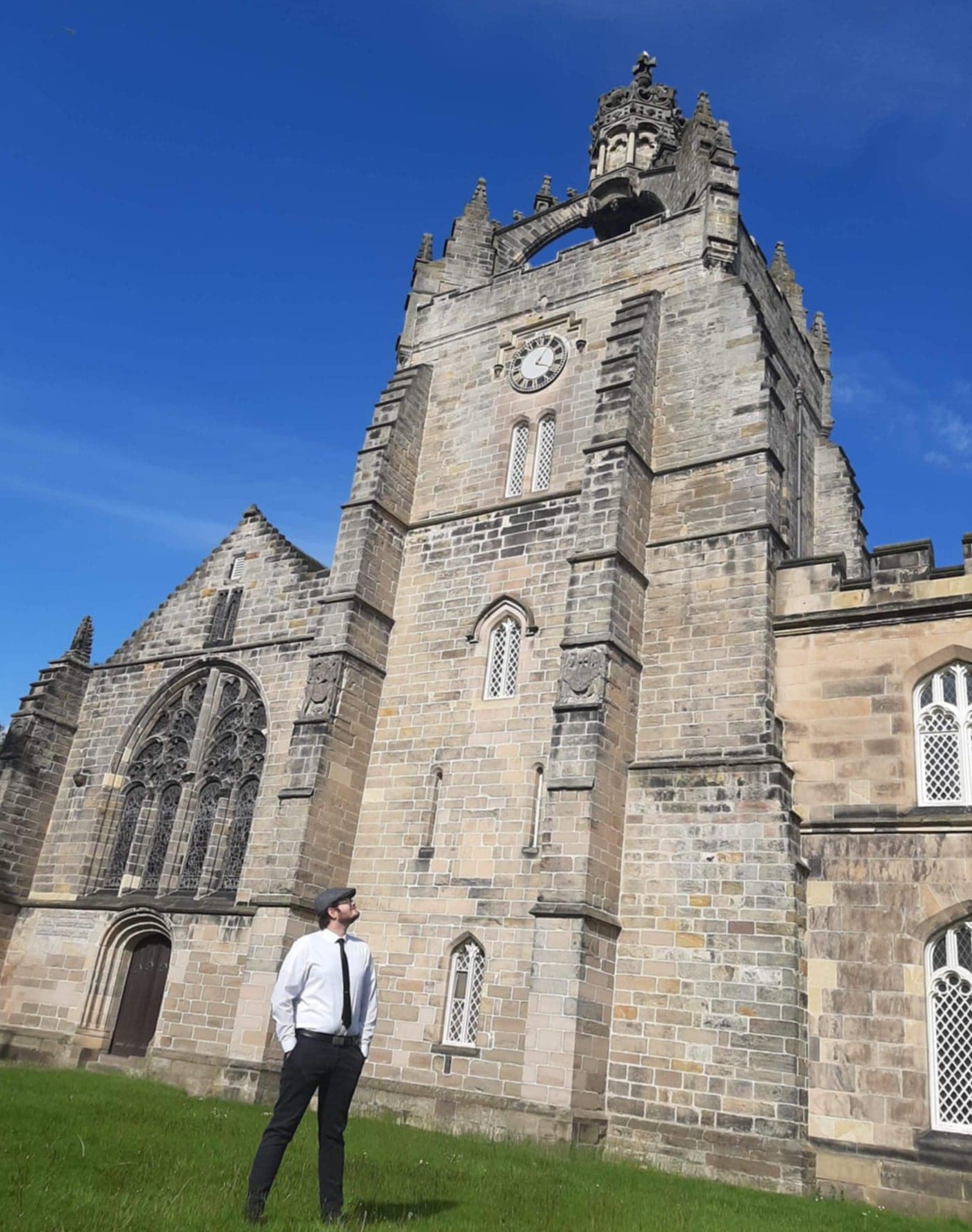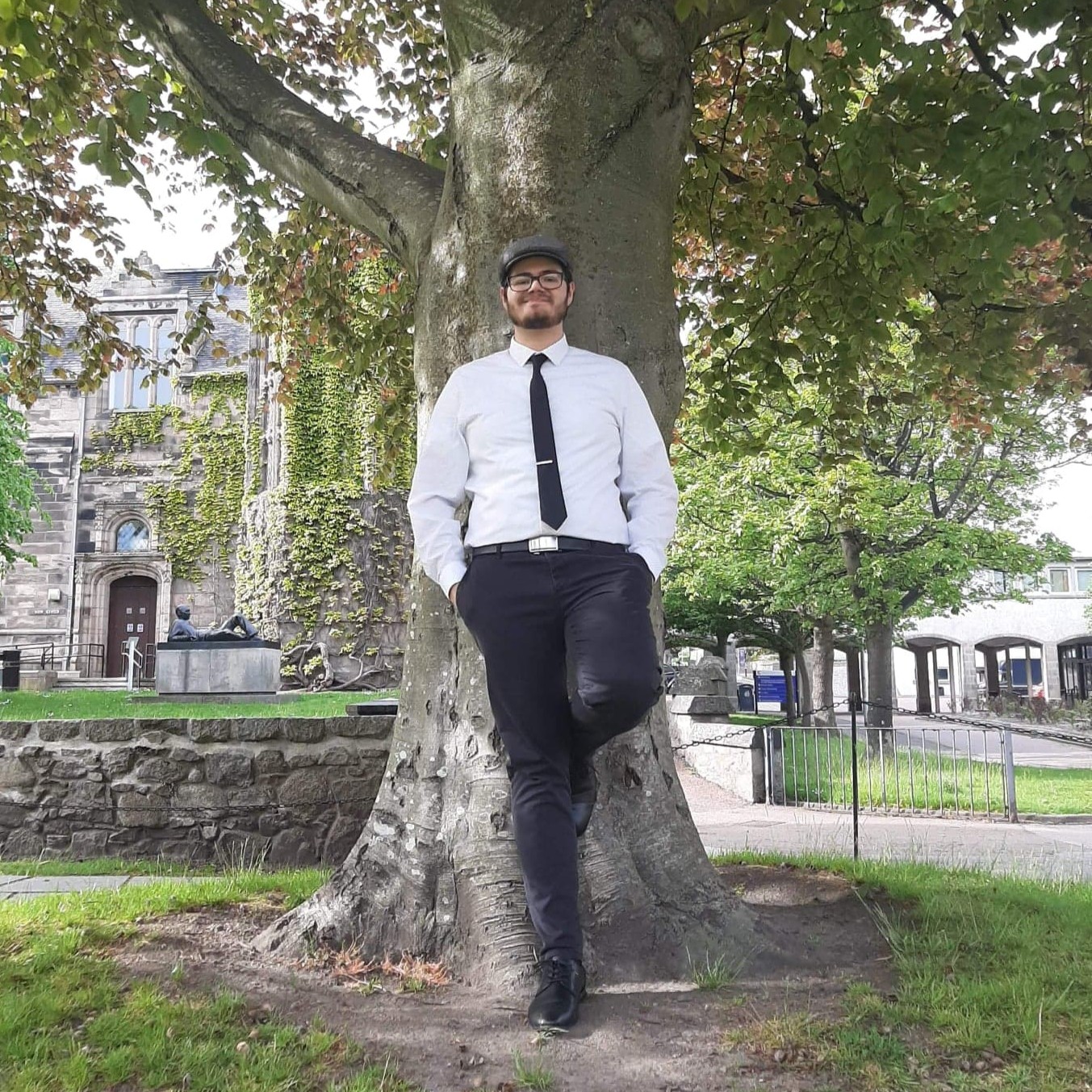
My name is Martin and I come from Košice. My journey with GYMES began quite by chance, although some might say it could not have happened any other way. When I was choosing my secondary school, or rather a bilingual English grammar school, I had no idea that GYMES even existed. It was only when my grandmother came back from church with a leaflet about a newly opened grammar school and its bilingual programme that I applied to GYMES and, as the English saying goes, “the rest is history”.
I had always enjoyed historical documentaries and books about the Second World War. I still have several of them in my library and often return to them. And like most boys, I also enjoyed video games. At the time when I was growing up, however, Czech or Slovak subtitles in video games or Czechoslovak creators on YouTube were not commonly available. My only option was therefore to learn at least some English. Since I wanted to turn “some English” into “proper English”, I chose GYMES.
During my time at GYMES I met many teachers, including Mr Filip, Mr Joščák and Mrs Hajduková, who showed me that my future direction would be history and civics. Historical documentaries gradually turned into books by historians, and my focus moved from the Second World War to the period of communist rule between 1948 and 1989. After graduating, I chose Scotland and the University of Aberdeen as the place where I wanted to study history, specialising in Modern History.
It was an experience I would recommend to everyone. It was not easy at all, but the sooner you learn how to survive in another country, including cooking, ironing and paying bills, the less it will surprise you later in ordinary adult life.
Since the last two years of my studies coincided with the COVID period, I decided that I wanted to return to Slovakia for at least some time. However, this “forced” return in 2021 also had its bright side. In June 2021 the Museum of Victims of Communism opened in Košice, which fitted perfectly with the historical period that interested me and that I had written my thesis about. I still work there today as a guide for school groups. Some of you have probably already visited and met me there.
And because we GYMES students always like a challenge, I have also decided to begin doctoral studies alongside my work. I am currently studying at the Department of History of the Faculty of Arts at Pavol Jozef Šafárik University in Košice under the supervision of Associate Professor ThDr Peter Borza. My dissertation focuses on the former regional State Security prison in Košice. Through this work I hope to contribute to a deeper understanding of the period I study, a period that has influenced us greatly but is often forgotten. Perhaps one day you will read something written by me.
Which moment at school do you consider a turning point for your personal or professional development??
This may sound strange, but it was a single history test. We had to write a short essay on the topic “Which year of the First World War do you consider the most important?”. At that moment something changed in my thinking and I realised that learning should not be about memorising facts but about evaluating information and, above all, about making connections and forming your own conclusions.
Was there any teacher at GYMES who inspired you or significantly influenced you?
I was fortunate that during my time at school Tomáš Filip began teaching at GYMES. Already in his very first “trial” lesson I could see that he was on a completely different level from anyone who had previously tried to teach us. After attending his civics seminars, where he covered everything from ancient to modern philosophers in an exceptional and understandable way, and religion studies in English, which often left me astonished, I knew that my first impression had been correct. Many of the teaching methods I observed from him I still use today when working with university students. He was one of the few teachers who could speak with fifteen and sixteen-year-old students as equals, and I always had the impression that he also wanted to learn something from us. The only thing I still regret is that he never taught me history. I have heard that every one of his lessons is legendary.
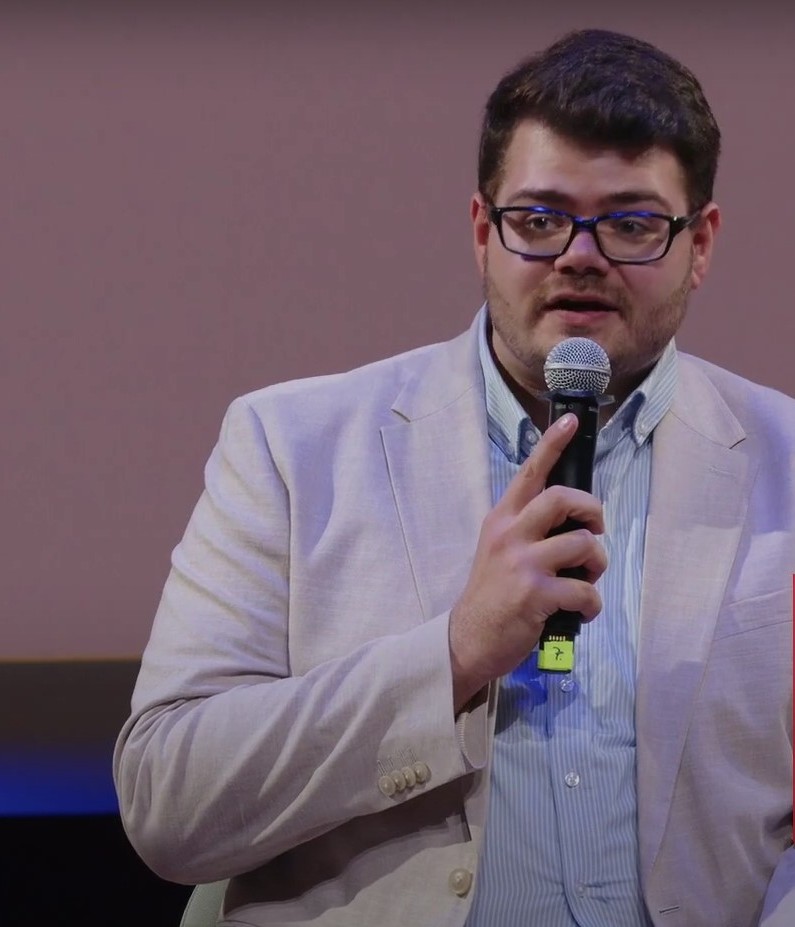
How did you perceive the atmosphere at school during your studies??
Since I was the first bilingual graduate, I had the opportunity to see the school grow from a time when there were only five classes in total and no queues for lunch, to a period when it had already become one of the leading grammar schools in Košice. Naturally, the school became somewhat less personal over time, but I always felt that people wanted to help one another and encourage each other to improve.
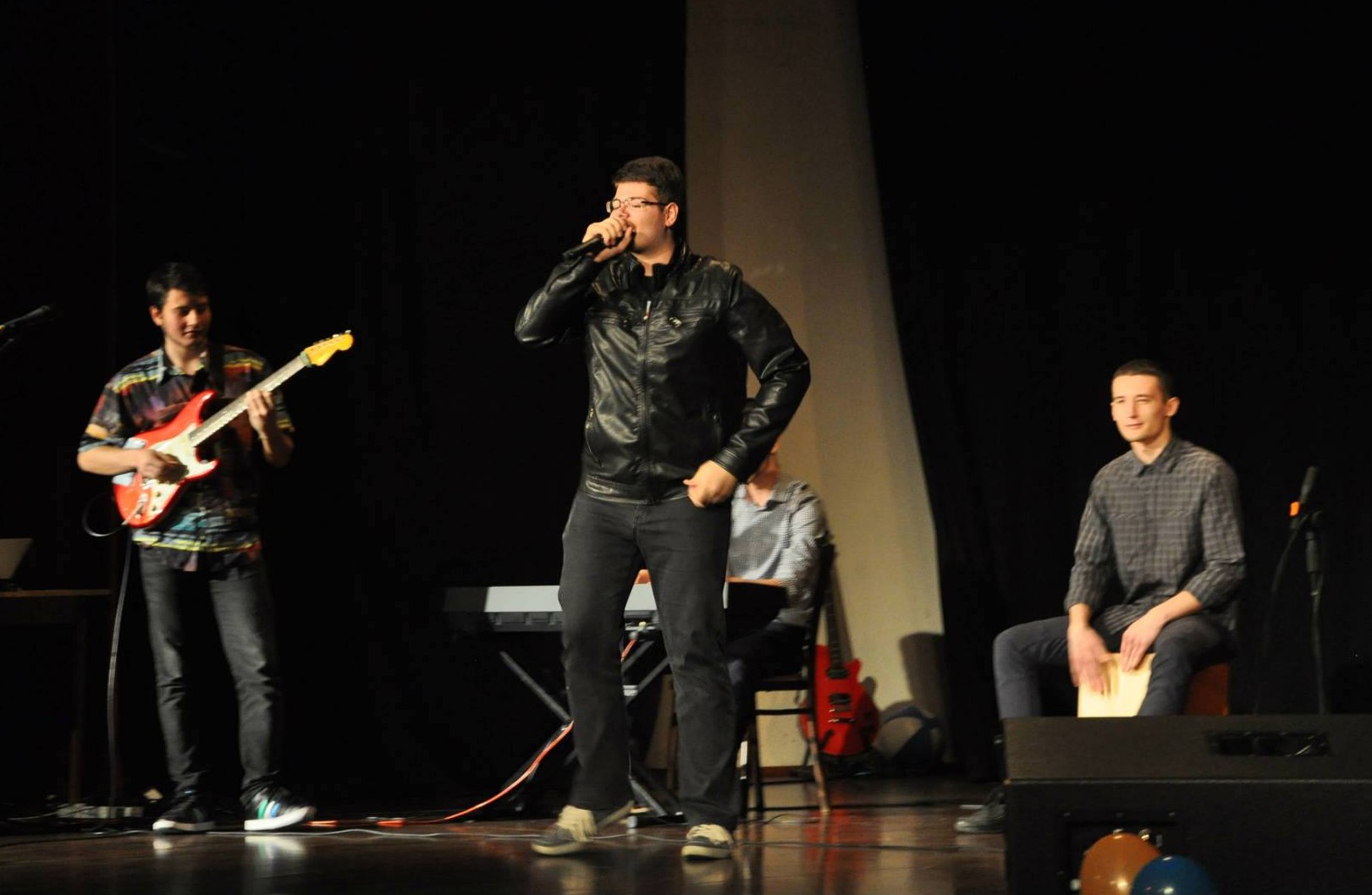
I can also say that our own initiatives were never discouraged, of course within reasonable limits. In my case, for example, it was the school ball that we organised for the first time in our third year. It was important that the teachers were available to help, but they left most of the organisation to us. In the end, this taught us many organisational skills that I have used many times when preparing exhibitions and projects.
What advice would you give to current GYMES students?
First of all:
You are capable of much more than you think. I have often met people who graduated from GYMES but still feel that they cannot succeed on the international stage. That is not true at all. In terms of language ability, values and above all ways of thinking, you can stand alongside the best students in Europe, if not in the world.
Secondly:
Enjoy the time you spend at GYMES. Yes, perhaps now you are worried about a poor mark in mathematics or forgotten vocabulary in English. But I can promise you that in ten years you will not remember any of that. What you may remember for the rest of your life are the relationships you formed, whether with classmates or teachers, and the experiences you had during your time at GYMES.