Biography of Edith Stein


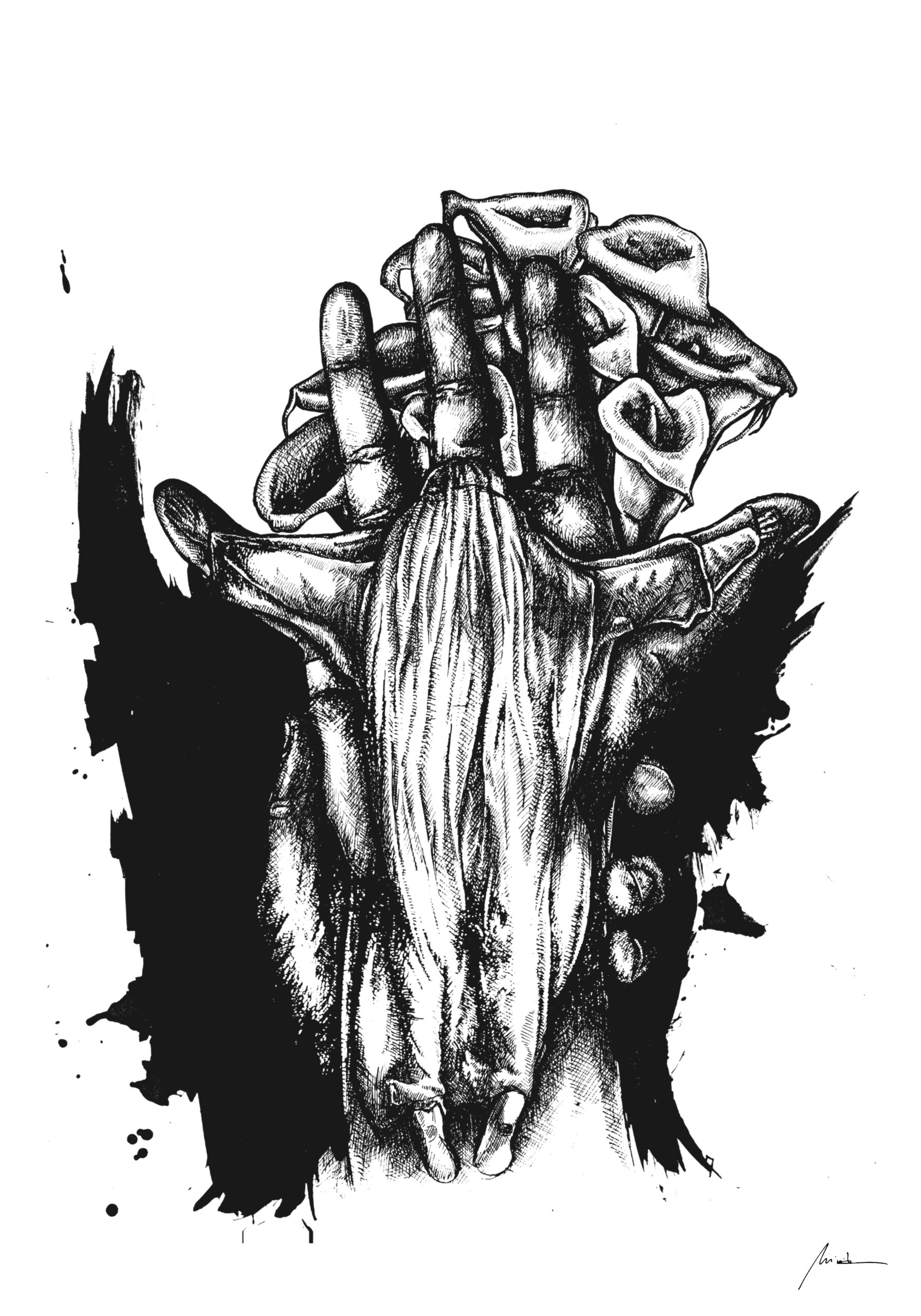
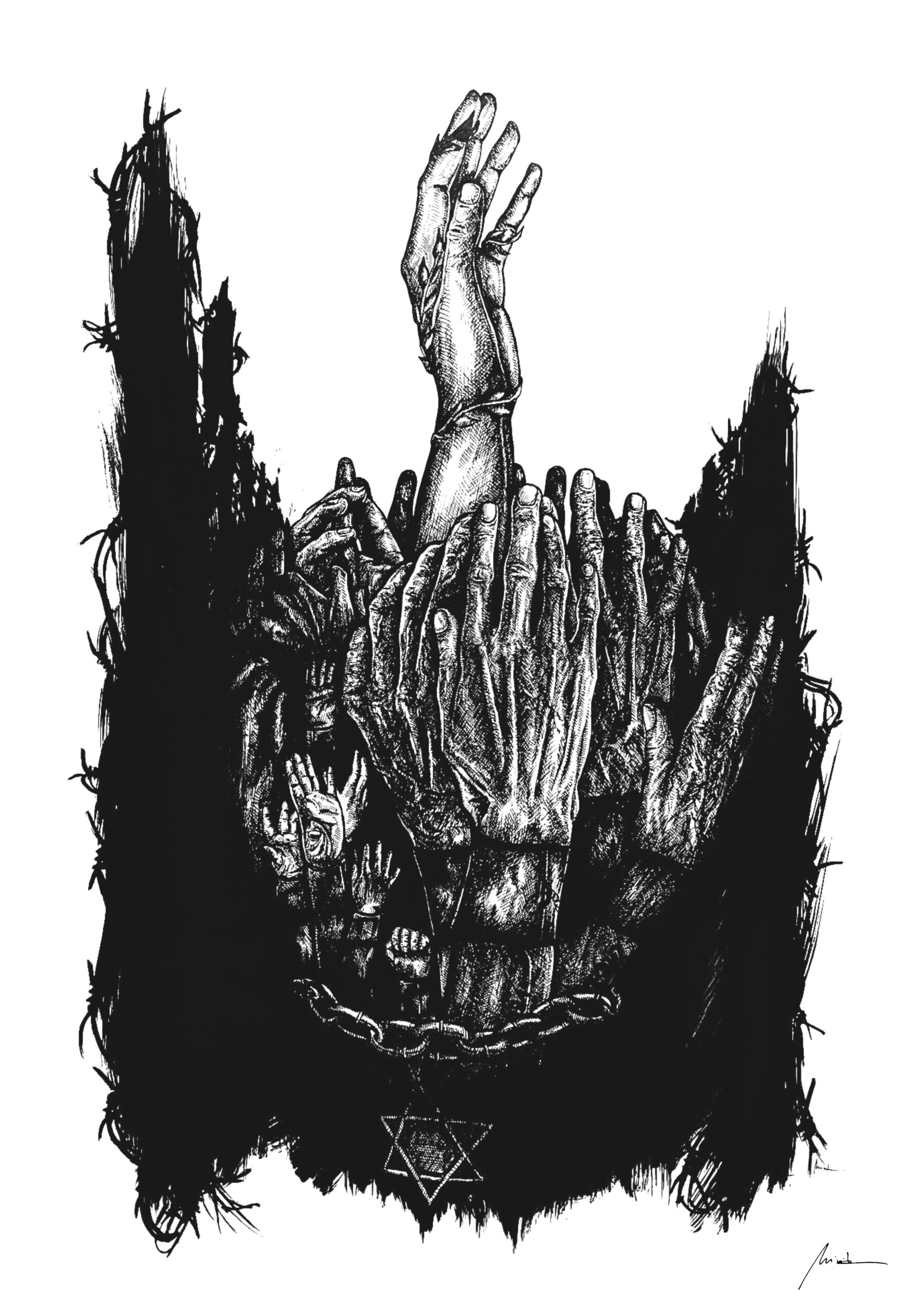
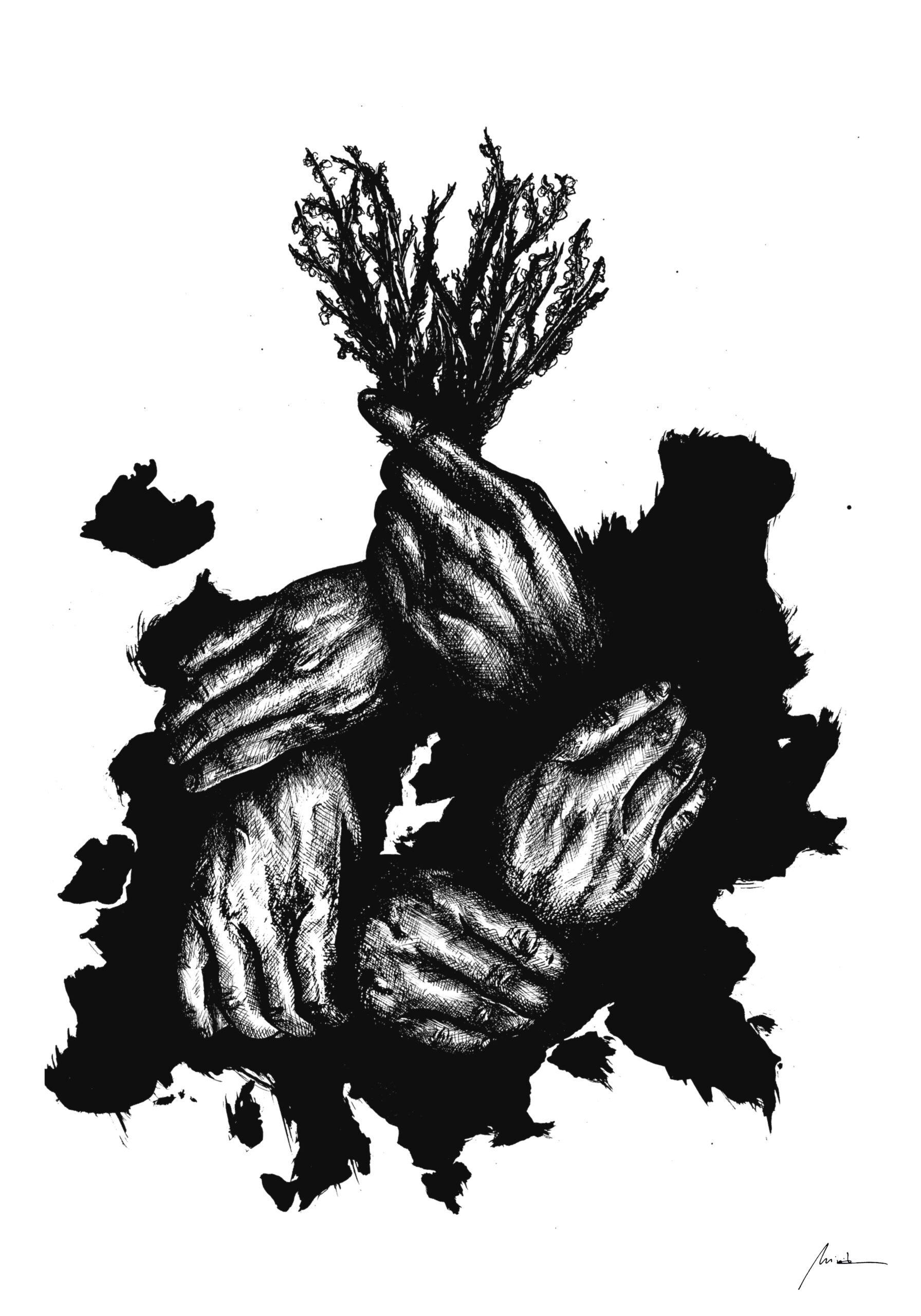
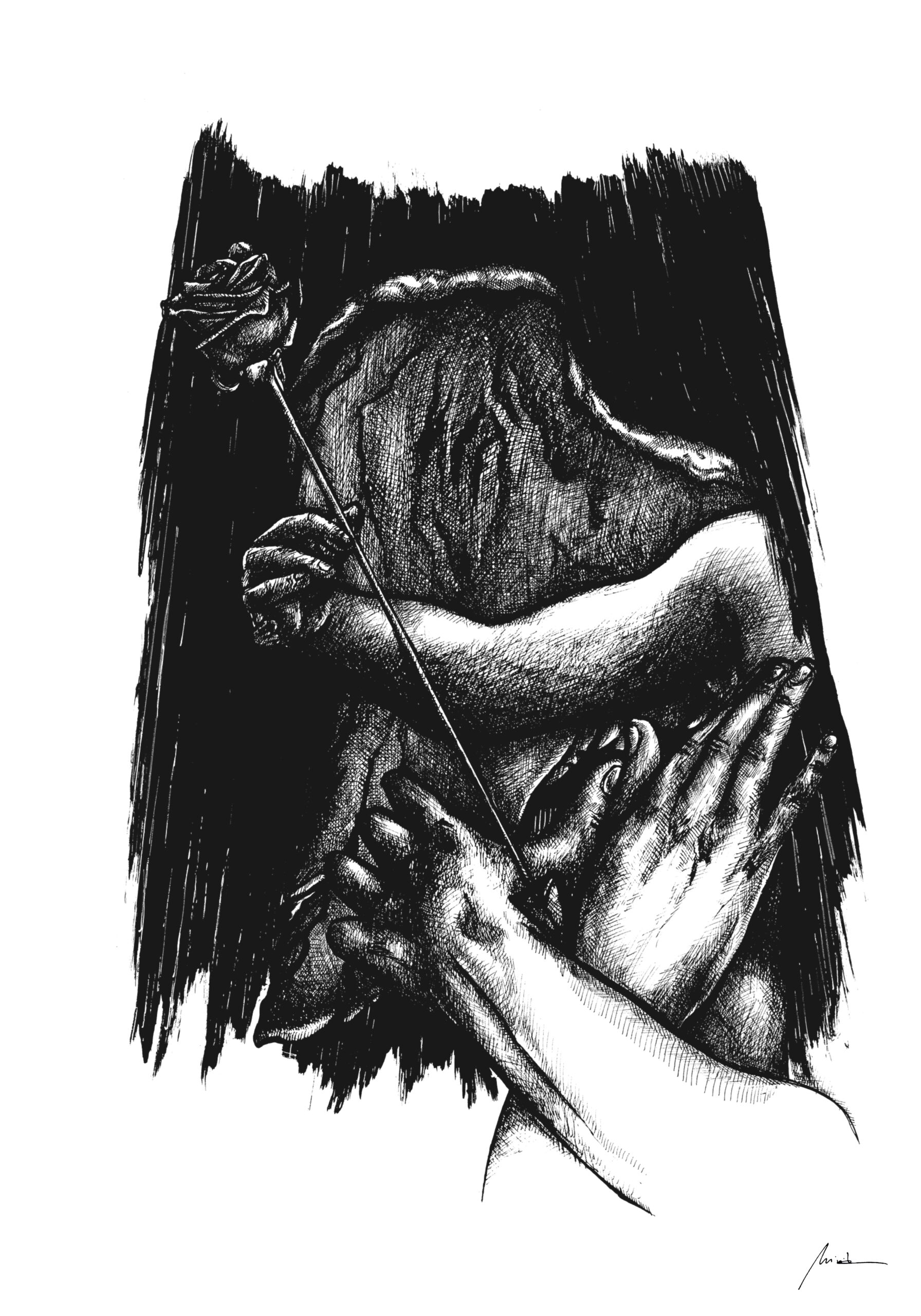

Edith was born on 12 October 1891 in what is now Wrocław, Poland, the eleventh child of Augusta and Siegfried Stein. Her birth fell on Yom Kippur, the Jewish Day of Atonement. Her father died when she was just two years old, and her mother took over the family timber business, which soon began to prosper. Although Augusta had to manage both the business and her large household, she attended the synagogue regularly, observed all the Jewish festivals, and was known for her generosity and hospitality towards anyone in need.
From an early age, Edith showed exceptional intellectual ability. Thanks to her older siblings, she knew the names of famous German writers even before she began school. At the age of twelve, she left school out of boredom and spent a year living with her sister Elsa in Hamburg. As Elsa and her husband did not practise their faith, Edith returned home resolved to stop believing in God. Her mother tried in vain to dissuade her. Edith had too many questions that demanded answers, and she could no longer find them within the faith of her childhood.
Edith began studying philosophy at the University of Wrocław and later transferred to Göttingen in order to study under Edmund Husserl, the pioneer of the new philosophical movement of phenomenology. Husserl’s ideas influenced not only Edith but also various other thinkers, such as Jean Paul Sartre and Karol Wojtyła, the future Pope John Paul II. In this new academic environment, Edith’s personality continued to develop. She engaged in profound philosophical discussions with friends, studied Husserl’s works intensively, and freely explored new ideas. It seemed the ideal life for a young, determined intellectual. Yet events were soon to confront her with suffering and challenge her views on life, God and faith.
Towards the end of 1917, Edith’s professor and close friend Adolf Reinach was killed on the front in Flanders. He and his wife Anna had been married for almost five years, and both had converted from Judaism to Christianity. Anna asked Edith to help her put his papers in order, a task Edith approached with anxiety. How could she, so full of uncertainty herself, console a young widow? Yet Edith experienced a profound surprise. Anna was neither angry nor despairing. She was calm and filled with hope in the Resurrection. In the end, it was Anna who comforted Edith. “It was my first encounter with the Cross,” Edith later wrote. “For the first time I saw with my own eyes the Church… victorious over the power of death. In that moment I regained my faith and Christ shone forth in the mystery of the Cross.” Even so, Edith was not yet ready for baptism. She still had too many questions that required answers, for she felt she could not embrace Christianity without resolving them.
The decisive turning point came in 1921, when Edith spent the summer with a married couple who were philosophers. One night, searching for something worthwhile to read, she happened upon the autobiography of Saint Teresa of Ávila. Once she began reading, she found herself unable to put the book down. She read through the entire night and, upon finishing it, realised that she had found the truth. Saint Teresa seemed to challenge her to cease questioning for a while and allow God to enter her heart. The key was prayer rather than constant searching. Edith immediately bought a missal and a catechism and began preparing for baptism.
A few months after her baptism, Edith faced one of the most difficult moments of her life: telling her mother. She expected anger, yet to her astonishment her mother burst into tears. Edith remained a devoted daughter and continued to accompany her mother to the synagogue, though she would read the psalms from her own missal.
For the next eight years, Edith taught at a Dominican girls’ school, where she found joy in living among the sisters. During this period, she relinquished the pursuit of an academic career and devoted herself more fully to prayer. Nevertheless, she still wished to make use of her intellectual gifts. She translated the works of Saint Thomas Aquinas into German and published several philosophical studies. In 1930, the Association of Catholic Women invited her to lecture on contemporary issues. Her faith-inspired perspective resonated strongly with audiences, and she soon became widely known.
As her reputation in philosophy grew, so too did the depth of her prayer life. It was said that she would spend hours each day praying before an image of Our Lady of Sorrows, contemplating the Jewish woman who embraces Christ in his suffering, her heart pierced by the sword of his Cross.
In 1933, when Hitler came to power in Germany and antisemitism intensified, Edith became aware that Christ suffers whenever his people suffer. “I told the Lord… that his Cross had now been laid upon the Jewish people. Most Jews did not understand this, but those who did had to bear it willingly on behalf of the others. I too wished to do so… Yet how I was to carry this Cross, I did not yet know.”
When she lost her teaching post because she was Jewish, it seemed that every bond tying her to her former life had been severed. She decided that the time had finally come to enter the Carmelite convent in Cologne. Before beginning her novitiate in October 1933, she spoke with the Mother Prioress, who believed there was still much she could accomplish outside the cloister. Edith replied simply, “Human effort can achieve nothing here. Only the Passion of Christ can help. And I long to share in it.”
That share in the Passion did indeed come, though in unexpected ways. Edith proved so awkward and inexperienced in domestic tasks that it was almost painful to watch. Yet she bore everything with good humour and accepted every humiliation that resulted from her clumsiness. As she learned to lighten her heart, she grew more content and joyful, though her joy was marked by a keen realism. When a friend expressed relief that she would be safe from persecution in the convent, Edith answered quietly, “Oh, I do not think so. They will certainly find me here.”
As the persecution of Jews intensified in Germany, the Carmelite sisters sent Edith to the convent in Echt in the Netherlands in December 1938, in the hope that a change of surroundings might offer some protection. Only a few months later, on Palm Sunday 1939, she wrote to the Mother Prioress: “I beg you, Reverend Mother, permit me to offer myself to the Heart of Jesus as a sacrifice of atonement for true peace; that the reign of the Antichrist may be brought to an end, if possible without another world war… I should like to do so today, for it is high time… I know that I am nothing, but Jesus wills it so.”
Her conviction is also evident in a meditation written at the annual renewal of her vows in September 1939: “Will you remain faithful to the crucified Christ? Consider it carefully. The world is in flames; the struggle between Christ and Antichrist has broken out. If you decide for Christ, it may cost you your life.”
After their mother’s death, Edith’s sister Rosa converted to the Catholic faith and in 1940 joined her in Echt. For the next two years they lived in relative calm. Edith devoted herself to writing The Science of the Cross and to an in-depth study of the works of Saint John of the Cross. In this work her decision to share in Christ’s Passion reached maturity: “Just as Jesus, before his death, entrusted himself into the hands of the invisible and incomprehensible God, so must the soul do the same – casting itself into the deepest darkness of faith, for this is the only path to the incomprehensible God.”
In July 1942, the Dutch Catholic bishops issued a pastoral letter condemning the Nazi regime. The response was swift and brutal: the authorities turned immediately against Catholics of Jewish origin. On 2 August, state security officers arrived at the gates of the Carmelite convent in Echt. The sisters had already made strenuous efforts to secure papers that would allow Edith and Rosa to be transferred to Switzerland, but the documents did not arrive in time. Edith and Rosa were therefore handed over to the Nazis for “deportation”. They were loaded into cattle wagons and transported for days by train.
During the following week, fragmentary reports about Edith began to emerge. Witnesses later spoke of a nun “like an angel”, caring for terrified mothers and abandoned children, calm yet marked by suffering, “like a Pietà without Christ”, an island of consolation for others amid horror. . Most remarkable of all, Edith managed to send a brief note to the sisters in Echt. It consisted of only a few hastily written lines, yet one sentence in particular summed up her life:“I am content with everything. One cannot come to know the Cross unless one truly begins to suffer under its weight." From the very beginning I was inwardly convinced of this, and from the depths of my heart I have said: Ave crux, spes unica (Hail the Cross, our only hope).” Edith and Rosa arrived at Auschwitz on 9 August and were killed in the gas chamber that same day.
In 1987, she was beatified by Pope John Paul II in Cologne Cathedral. She was canonised on 11 October 1998. http://w2.vatican.va/content/john-paul-ii/en/homilies/1998/documents/hf_jp-ii_hom_11101998_stein.html On 1 October 1999, she was proclaimed a Patroness of Europe alongside Saint Bridget of Sweden and Saint Catherine of Siena..